
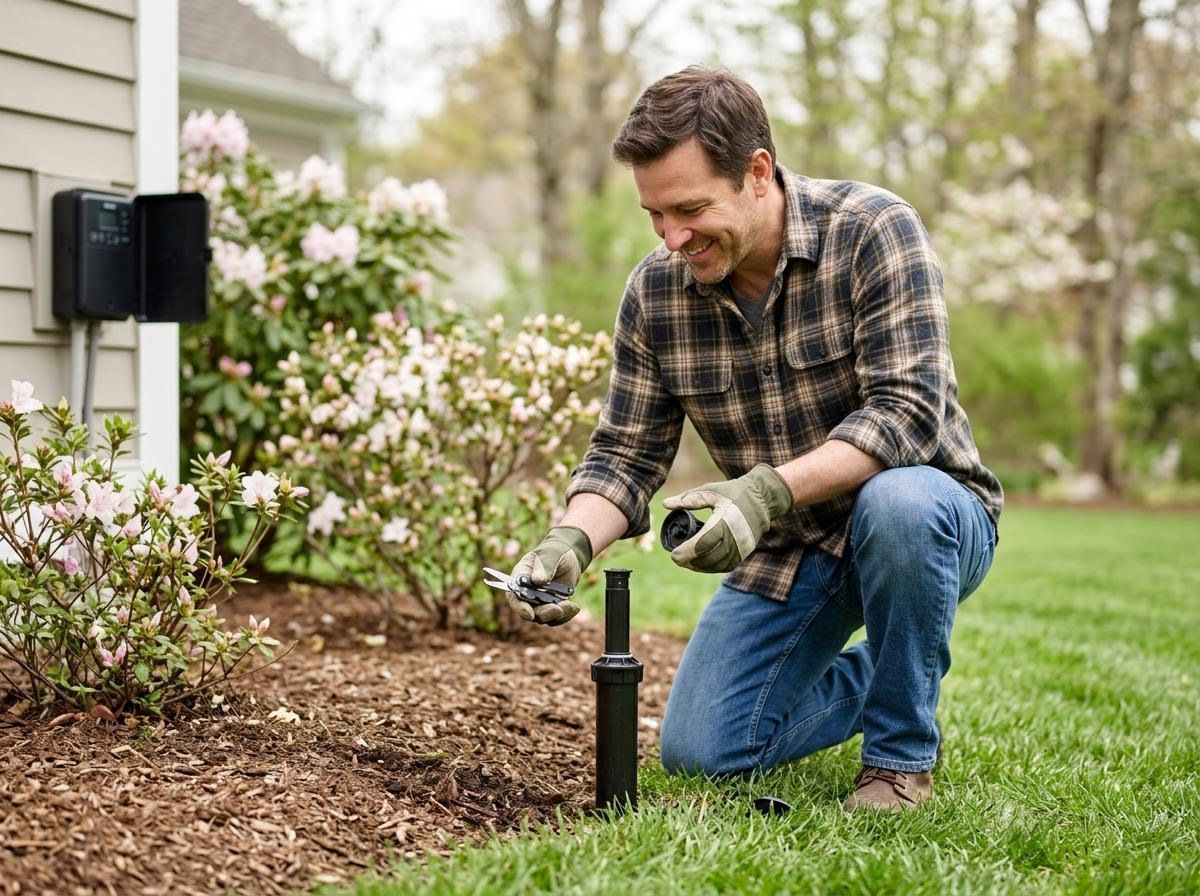
As the Long Island landscape awakens from its winter slumber, ensuring your sprinkler system is ready for the growing season is crucial for maintaining a lush, vibrant lawn. A proper spring startup not only protects your investment but also ensures efficient water usage throughout the warmer months. At BMSR Irrigation, we understand the importance of this annual process, which is why we've prepared a comprehensive checklist to guide homeowners through getting their system back online.
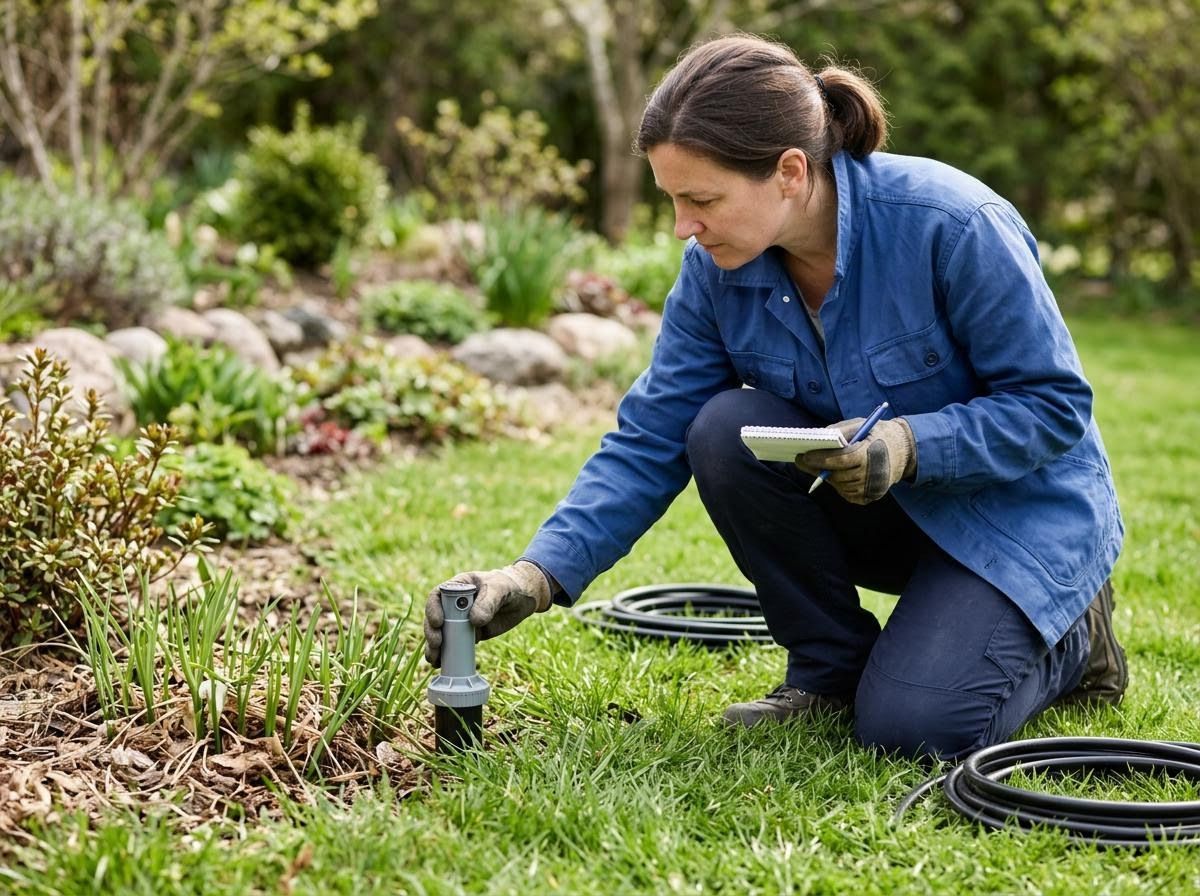
Visual Inspection: A Pre-Water Check-Up
Before you even think about turning on the water, take a thorough walk around your property to assess the condition of your irrigation system. Winter weather, ground shifting, or even routine property care can cause damage. Look for any visible signs of wear and tear, such as cracked sprinkler heads, loose connections, or exposed piping. Pay close attention to areas that might have been impacted by snow shoveling or other activities. Ensuring all components are secure and undamaged before pressurizing the system can prevent bigger issues down the line.
Re-Pressurizing and Leak Detection
Once your visual inspection is complete, it's time to slowly reintroduce water to the system. Locate your main water shut-off valve, typically situated near your backflow preventer, and open it very gradually. This slow approach helps prevent water hammer, a surge of pressure that can damage pipes and components. As the system slowly fills, listen carefully for any unusual sounds and watch for immediate leaks or pooling water. After the system is fully pressurized, conduct another thorough inspection of all visible pipes, connections, and sprinkler heads for any drips or small leaks that may not have been apparent earlier. Addressing these leaks promptly is essential for water conservation and system efficiency.
Controller Programming and Zone Testing
With the water safely flowing, the next critical step is to reactivate and program your irrigation controller. Clear any winter settings, input the current date and time, and program your watering schedule to align with spring's specific needs. Typically, this means lighter, more frequent cycles as temperatures begin to rise. Next, manually activate each zone one by one. Observe the spray patterns of every sprinkler head within each zone, ensuring they are covering the intended areas without watering sidewalks, driveways, or structures. Adjust any misaligned heads and clean clogged nozzles as needed to optimize coverage, promote even hydration, and prevent water waste.
Following this comprehensive spring startup checklist is key to a healthy lawn and an efficient watering system, helping you avoid costly repairs and wasted water throughout the season. Proper maintenance ensures your landscape receives the precise hydration it needs to thrive, enhancing your property's beauty and value. For personalized advice on optimizing your sprinkler system's performance or to learn more about professional maintenance and renovation services, explore the resources available on BMSR Irrigation's website.