
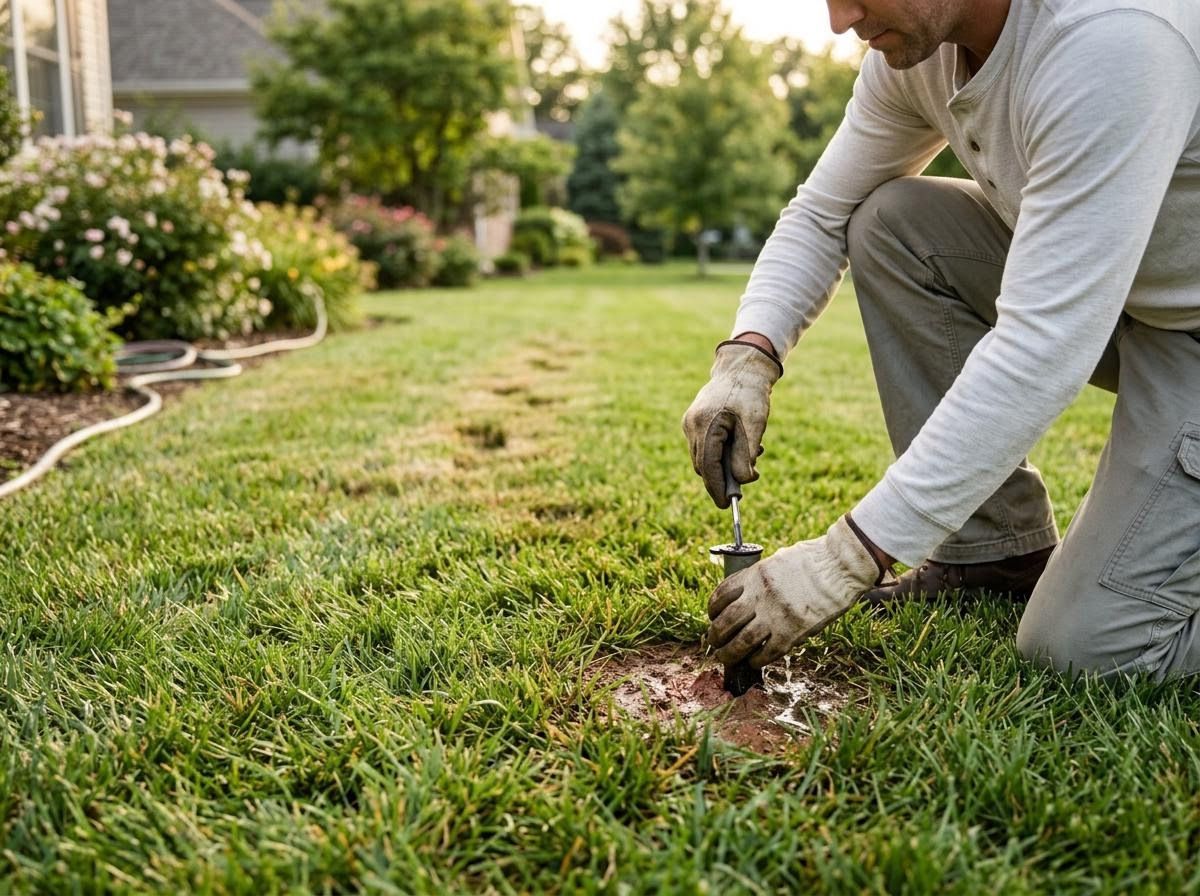
A well-maintained sprinkler system is essential for a lush, healthy lawn, but even the best systems can encounter issues. Understanding how to identify and address common problems can save you time, money, and water. This guide, brought to you by BMSR Irrigation, will walk you through some straightforward troubleshooting steps to keep your landscape looking its best.

Addressing Low Water Pressure or Uneven Coverage
One of the most frustrating sprinkler system problems is inadequate water pressure or inconsistent spray patterns, leading to dry spots in your lawn. Often, this can be traced back to clogged sprinkler nozzles. Mineral deposits, dirt, or debris can accumulate, obstructing the water flow. Begin by visually inspecting your sprinkler heads; if you see any blockages, you can typically clean them with a small brush or by carefully removing the nozzle and rinsing it. Another common cause could be a faulty zone valve that isn't opening fully. While checking valves can be more complex, ensuring all parts are free of obvious debris is a good first step.
Diagnosing Leaks and Unwanted Puddles
Visible leaks, constantly wet patches, or mysterious puddles around your sprinkler heads are clear indicators of a problem that needs immediate attention. These issues not only waste water but can also damage your landscape and increase your water bill. Start by checking the sprinkler heads themselves for any cracks, damage, or loose connections. Often, a head might be broken from a lawnmower or general wear and tear, and replacing it can be a simple fix. For leaks along the lines, look for soft, overly saturated spots in your lawn, even when the system isn't running. These often point to a cracked pipe or a loose fitting underground. While some minor surface leaks are visible, more significant pipe damage may require professional assistance to locate and repair.
Sprinkler Heads Not Popping Up or Retracting
If some of your sprinkler heads aren't rising or falling as they should, it can disrupt your watering schedule and lead to dry or overwatered areas. The most frequent culprits here are low water pressure, which prevents the head from extending fully, or debris lodged beneath the head's cap. Try cleaning around the base of the head to remove any dirt, grass clippings, or small stones that might be hindering its movement. If debris isn't the issue, check if the head itself is damaged or if the nozzle is severely clogged, restricting the water flow needed for proper operation. Ensure the ground around the head isn't too compacted, as this can also impede its movement.
While many sprinkler issues can be tackled with a bit of DIY effort, some problems are best left to experienced professionals. Regular maintenance and prompt attention to minor issues can prevent them from escalating into costly repairs. If you're on Long Island and find yourself facing complex irrigation system challenges or simply prefer the peace of mind that comes with expert care, BMSR Irrigation is here to help. Explore our services to ensure your system is always running efficiently and your landscape remains vibrant.