
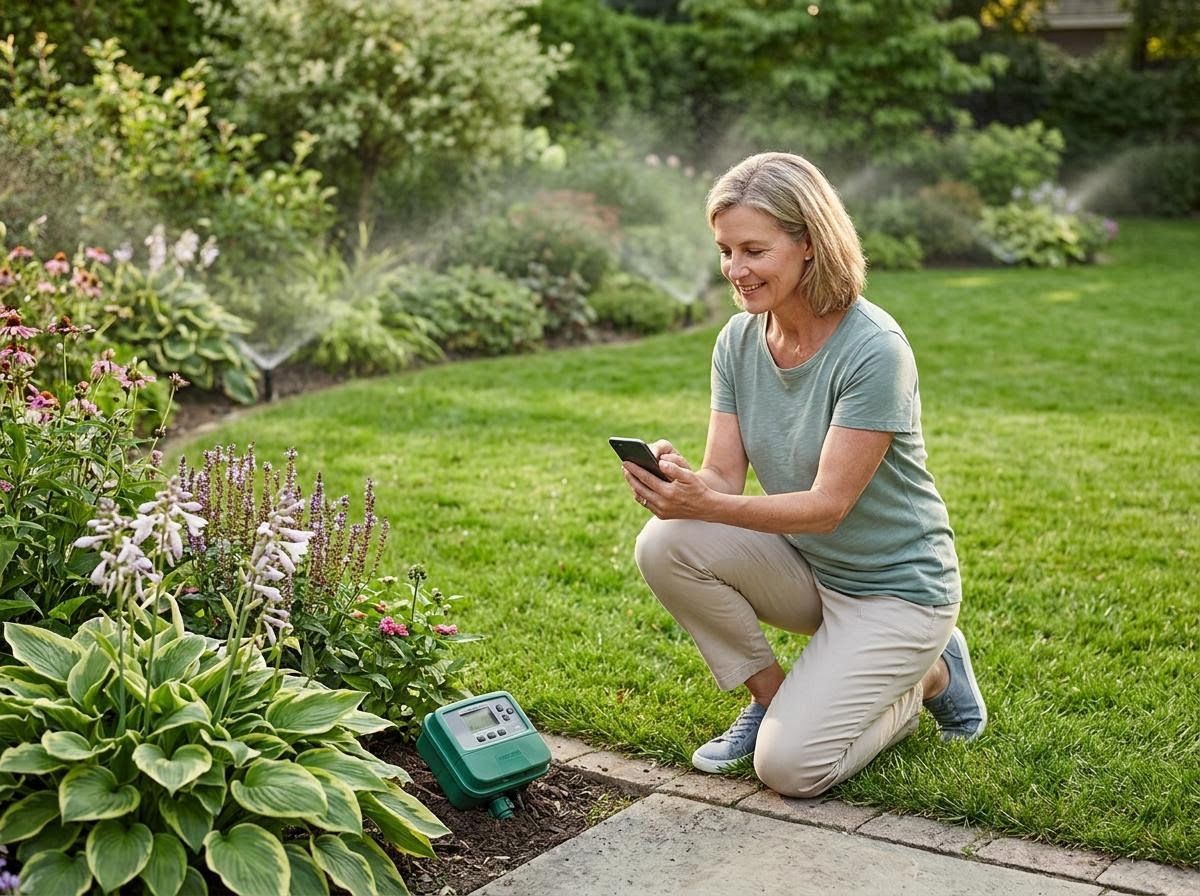
Maintaining a lush, vibrant lawn and garden is a common goal for many Long Island homeowners, but achieving it efficiently can often feel like a challenge. Traditional irrigation systems, while effective, often lead to wasted water and can sometimes even harm your landscape through overwatering or underwatering. This is where smart irrigation technology steps in, offering a sophisticated and sustainable solution for managing your property's watering needs. At BMSR Irrigation, we understand the importance of both beautiful landscapes and responsible resource management.
The Core of Smart Irrigation: How It Works
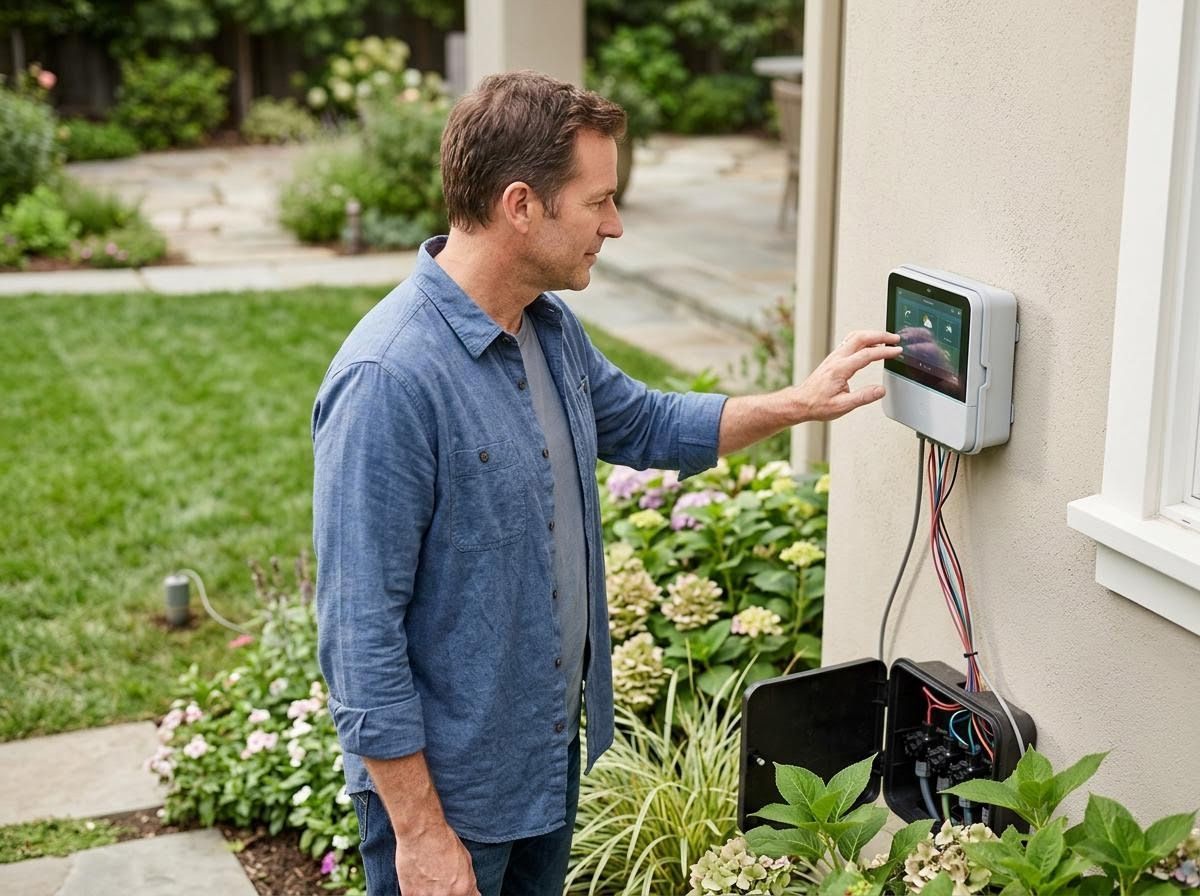
Smart irrigation systems represent a significant leap forward from basic timers. Instead of operating on a fixed schedule, these advanced systems use real-time data to determine precisely when and how much to water your lawn and plants. The "brain" of the system, a smart controller, gathers information from various sources. This includes local weather forecasts, historical weather data, and in some cases, direct measurements from soil moisture sensors placed within your landscape. By processing factors like evapotranspiration rates (how much water plants lose to the atmosphere), rainfall, temperature, and even the specific types of plants and soil in each zone, the system calculates and delivers the optimal amount of water, preventing both waste and plant stress.
Beyond Water Savings: Benefits for Your Home and Landscape
While water conservation is a primary advantage, smart irrigation offers a multitude of benefits for homeowners. Firstly, by watering only when necessary and in precise amounts, you can significantly reduce your monthly water bills. Secondly, optimized watering leads to healthier, more resilient landscapes. Plants receive exactly what they need, promoting deeper root growth and reducing susceptibility to disease and pests. This translates to a more vibrant lawn and garden with less effort. Furthermore, these systems provide unparalleled convenience, often allowing you to monitor and adjust settings remotely via a smartphone app. This peace of mind means you can travel without worrying about your landscape's well-being or unexpected weather changes. Ultimately, smart irrigation enhances your property's aesthetic appeal while simultaneously lowering its environmental footprint.
Essential Components and What to Look For
When exploring smart irrigation, several key components stand out. The smart controller is central, acting as the intelligent hub that connects to your Wi-Fi and processes all incoming data. Look for controllers that offer intuitive user interfaces, robust scheduling options, and compatibility with various sensors. Rain sensors are fundamental, automatically shutting off the system when precipitation occurs, while more advanced soil moisture sensors can be embedded in your soil to measure moisture levels directly, providing highly accurate watering decisions. Other features to consider include the ability to customize watering schedules for different zones based on plant type and sun exposure, as well as integration with other smart home platforms. Understanding these components can help ensure you select a system that meets your property's unique requirements and maximizes its efficiency.
Investing in smart irrigation technology is a smart move for any homeowner looking to combine beautiful landscaping with efficiency and environmental responsibility. These systems provide a modern approach to watering, ensuring your plants thrive while conserving a precious resource and saving you money. If you're considering upgrading your home's irrigation system, learning more about the options available can help you make an informed decision that benefits both your property and your peace of mind.