
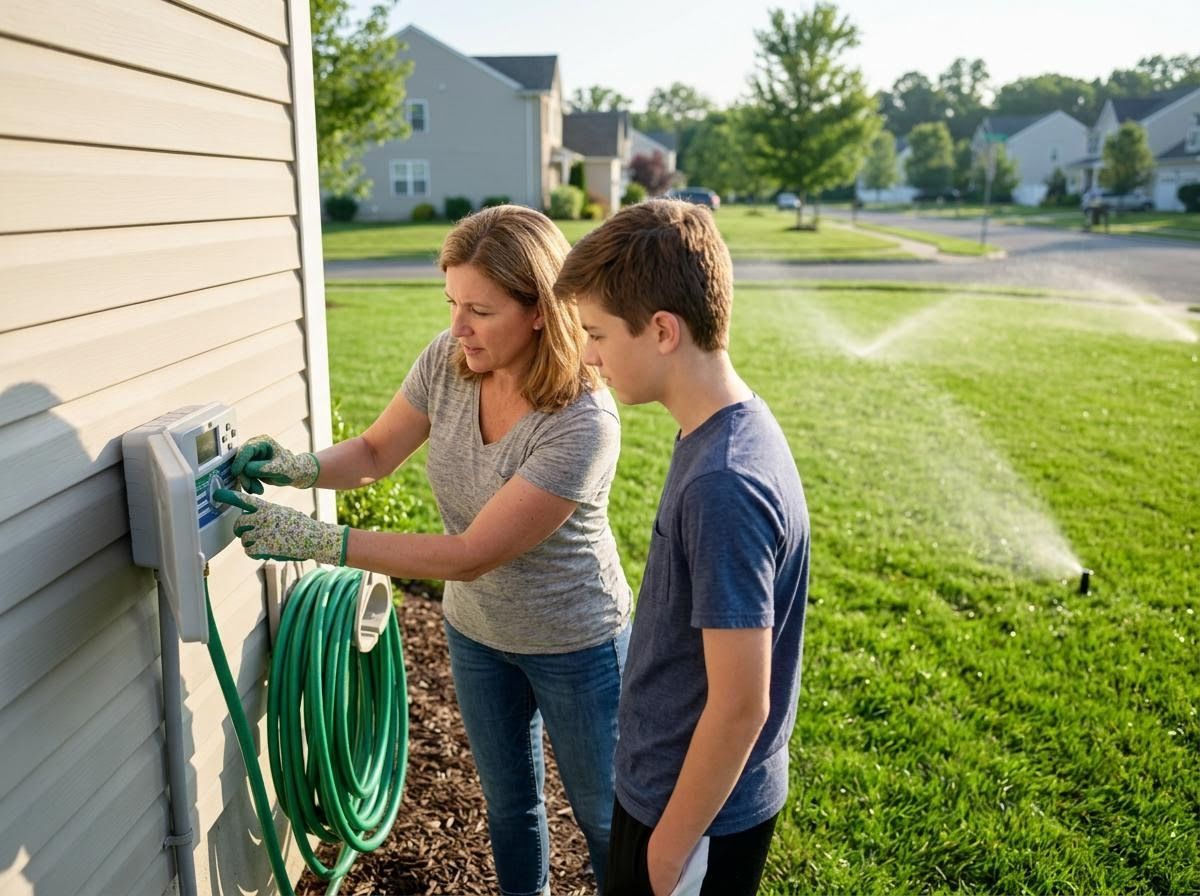
Achieving a lush, green lawn doesn't have to come at the expense of our precious water resources. Especially for homeowners across Long Island, understanding how to water wisely is key to maintaining a beautiful landscape while also being environmentally responsible. BMSR Irrigation, your local specialists, believes that smart water management is integral to sustainable property care. This post will explore practical water conservation tips to help you cultivate a vibrant lawn efficiently.
Optimize Your Watering Schedule
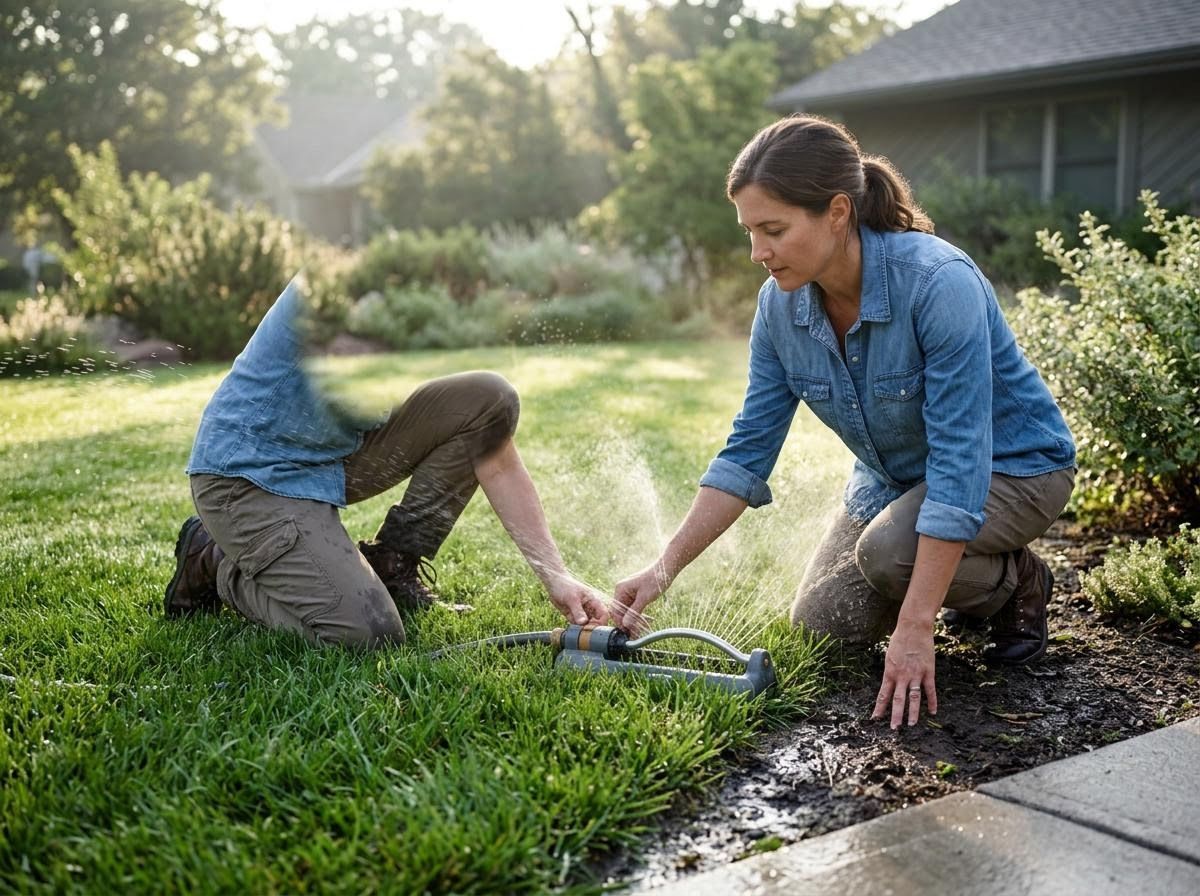
One of the most impactful ways to conserve water is by adjusting how and when you water. Watering deeply and infrequently encourages your lawn's roots to grow deeper, making them more resilient to dry spells. Aim for longer watering sessions spaced further apart, rather than short, daily sprinkles. The best time to water is typically in the early morning, between 4 AM and 8 AM. This allows the water to soak into the soil before the sun's heat causes excessive evaporation, and before evening temperatures promote fungal growth. Regularly check your system for proper coverage, adjusting sprinkler heads to ensure water lands on your lawn and not on sidewalks or driveways.
Implement Smart Lawn Care Practices
Beyond the sprinkler system, general lawn care plays a crucial role in water conservation. Mowing your grass to a taller height (usually 2.5 to 3 inches) shades the soil, significantly reducing water evaporation and promoting deeper root growth. Aerating your lawn periodically helps break up compacted soil, allowing water, air, and nutrients to penetrate more effectively down to the root zone. Additionally, consider soil testing to understand its composition; amending your soil with organic matter can improve its water retention capabilities, meaning you'll need to water less often.
Leverage Modern Irrigation Technology
Advancements in irrigation technology offer powerful tools for water conservation. Smart irrigation controllers, for example, can automatically adjust watering schedules based on local weather conditions, soil moisture levels, and even plant type, preventing unnecessary watering. Rain sensors are another excellent addition, halting your system when it detects rainfall, ensuring your lawn isn't watered while nature is already doing the job. For specific planting beds or shrubs, consider drip irrigation, which delivers water directly to the plant's root zone with minimal waste. Regular inspection and maintenance of your irrigation system can also identify and fix leaks or inefficiencies that might be wasting water.
## Conclusion
Implementing these water conservation strategies not only helps protect a vital natural resource but also contributes to a healthier, more resilient lawn on Long Island. By adopting smart watering habits, optimizing your lawn care routine, and considering modern irrigation technologies, you can enjoy a beautiful landscape responsibly. If you're looking to enhance your home's water efficiency or need expert guidance on your irrigation system, consider exploring resources on optimizing your existing setup for peak performance and water savings with BMSR Irrigation.